
Where Afternoon Tea Actually Came From
You can trace the entire tradition - the tiered stands, the tiny sandwiches, the ritual of it all - back to one bored woman in the 1840s.
Her name was Anna Russell, the 7th Duchess of Bedford. And what she started almost by accident is still shaping afternoon parties and showers nearly two centuries later.
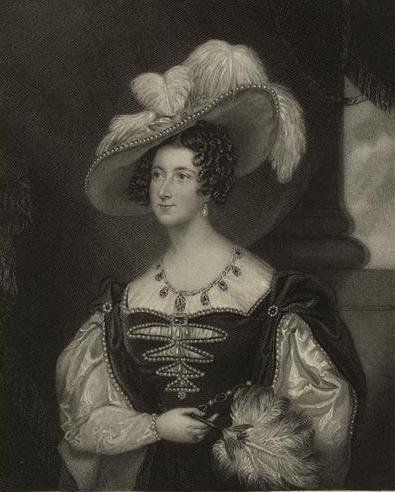
The Problem Was Dinner
In wealthy English households in the early 1800s, breakfast was early and dinner was late - often not until 8 or 9 at night. That left a long, hungry stretch in the middle of the afternoon with nothing to eat and, frankly, not much to do.
The Duchess of Bedford apparently felt this gap acutely. Around 4 o'clock most afternoons, she described a "sinking feeling" — which, to be fair, is just what happens when your last meal was seven hours ago and your next one is four hours away.
Her Fix Was Simple
She started asking for a small tray brought to her room: tea, bread and butter, and a little cake. Just enough to get her through to dinner.
That alone probably wouldn't have become a national institution. But the Duchess did the one thing that turned a personal habit into a trend - she made it social. She began inviting friends to join her, and the ritual moved from her private room to a proper gathering.
By the time she brought the idea back to London society, it had a name, a purpose, and crucially an audience of aristocratic women who were bored in exactly the same way she'd been.
Why It Actually Spread
A private habit becoming a nationwide custom needs a push, and afternoon tea got two big ones.
Queen Victoria was the first. Once the young queen started hosting afternoon tea gatherings of her own, it stopped being a quirky Bedford family habit and became something fashionable to imitate. If the Queen does it, the aristocracy does it. If the aristocracy does it, everyone with any social ambition tries to do it too.
Public tea gardens were the second. Venues like Vauxhall Gardens gave afternoon tea a life outside private homes - men and women could socialize together over tea in a public setting, which was a fairly big deal in an era with very strict rules about mixed company. Tea gave people a respectable reason to mingle in daylight.
Between the royal seal of approval and a public venue to practice it in, afternoon tea went from one duchess's snack to a full-blown social institution within a couple of decades.
From Snack to Spectacle
Once a simple afternoon snack turned into tea with company, it stopped being only about the food. It became about filling time, and having a good excuse to socialize. The sandwiches, the scones, the pretty china, all got added later as the tea parties became more elaborate and more performative. The Duchess had just wanted a snack and some company!
Curious about how the three-tier stand became the symbol of afternoon tea, or how the tradition made its way from London drawing rooms to hotels around the world? Those stories are coming up next in the Journal.